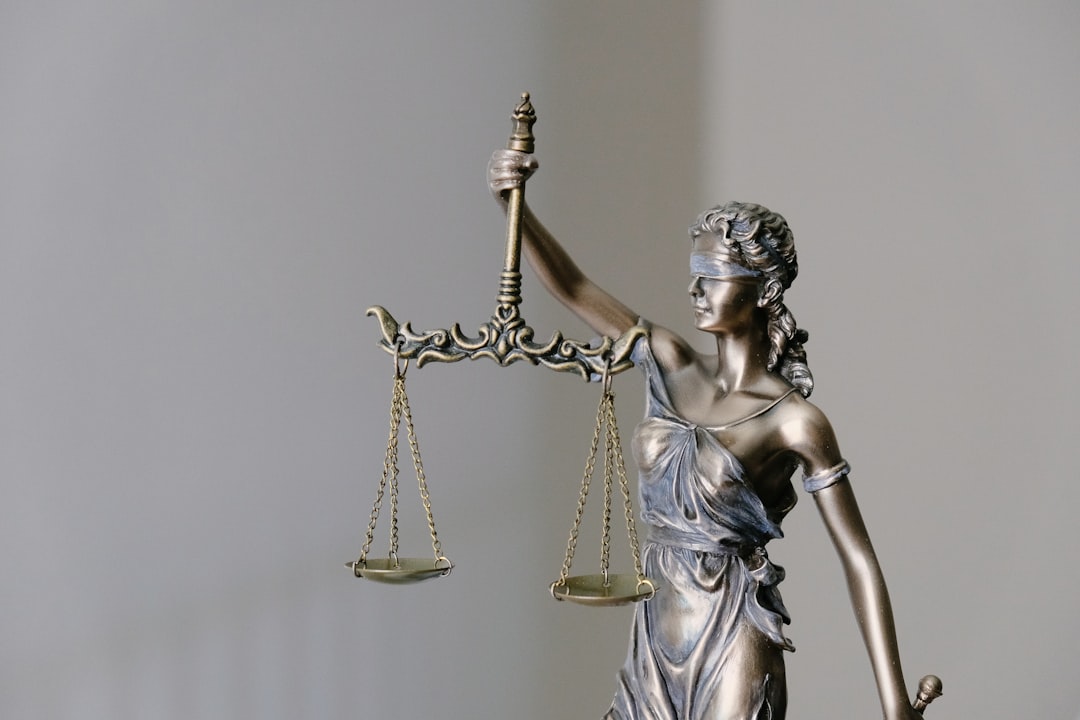
Community-Based Restorative Justice (CBRJ) programs in Columbia, Missouri, prioritize healing for sexual offense victims, perpetrators, and communities through collaboration between local organizations, citizens, and families. Facilitated by sexual assault attorneys Missouri residents trust, these programs empower survivors, reduce recidivism, and improve victim satisfaction. Key insights include diverse community representation, clear communication, and building trust through transparent processes. Regular training sessions and evidence-based evaluation ensure program success and foster a more compassionate justice system.
In recent years, the importance of restorative justice approaches to sexual offenses has gained significant attention. As a response to the pervasive issue of sexual assault, communities across the globe are exploring innovative solutions. Missouri, particularly, has seen an emerging trend in Community-Based Restorative Justice Programs (CBRJPs) aimed at addressing these complex crimes effectively. However, the challenges remain substantial: victims’ trauma, offender accountability, and community trust. This article delves into CBRJPs as a potential game-changer in sexual assault cases, highlighting successful models and their impact on healing and justice. Understanding these programs is crucial, especially for sexual assault attorneys Missouri, who can play a vital role in shaping their implementation and success.
Understanding Community Involvement in Restorative Justice
Community-based restorative justice programs have gained significant traction in addressing sexual offenses in Columbia, with a deep understanding of community involvement playing a pivotal role. The approach focuses on healing not just the victim but also the perpetrator and the broader community, fostering a culture of accountability and reconciliation. One key aspect is the active participation of community members, who are integral to the process. For instance, in Missouri, sexual assault attorneys often collaborate with local organizations and citizens to implement restorative practices, leveraging the unique insights and connections within the community.
This model empowers survivors to take an active role in their healing journey, which can be powerful in itself. Community members, including victims’ families and friends, are invited to participate in conferences where they share their experiences and perspectives. This process not only facilitates understanding and empathy but also helps offenders recognize the impact of their actions. A study by the Missouri Department of Corrections revealed that participants in restorative justice programs had lower recidivism rates compared to traditional penal systems, underscoring the effectiveness of community engagement.
Practical insights for implementing these programs include ensuring diverse representation from the community, providing clear and consistent communication, and establishing trust through transparent processes. For example, a successful program in Columbia involved monthly meetings with local leaders, survivors, offenders, and volunteers, allowing for open dialogue and collective problem-solving. This collaborative approach has led to improved relationships within the community, increased victim satisfaction, and reduced reoffending rates. A sexual assault attorney Missouri residents trust can play a crucial role in facilitating these meetings, ensuring legal considerations are addressed while fostering a restorative environment.
The Role of Sexual Assault Attorney Missouri in Restorative Processes
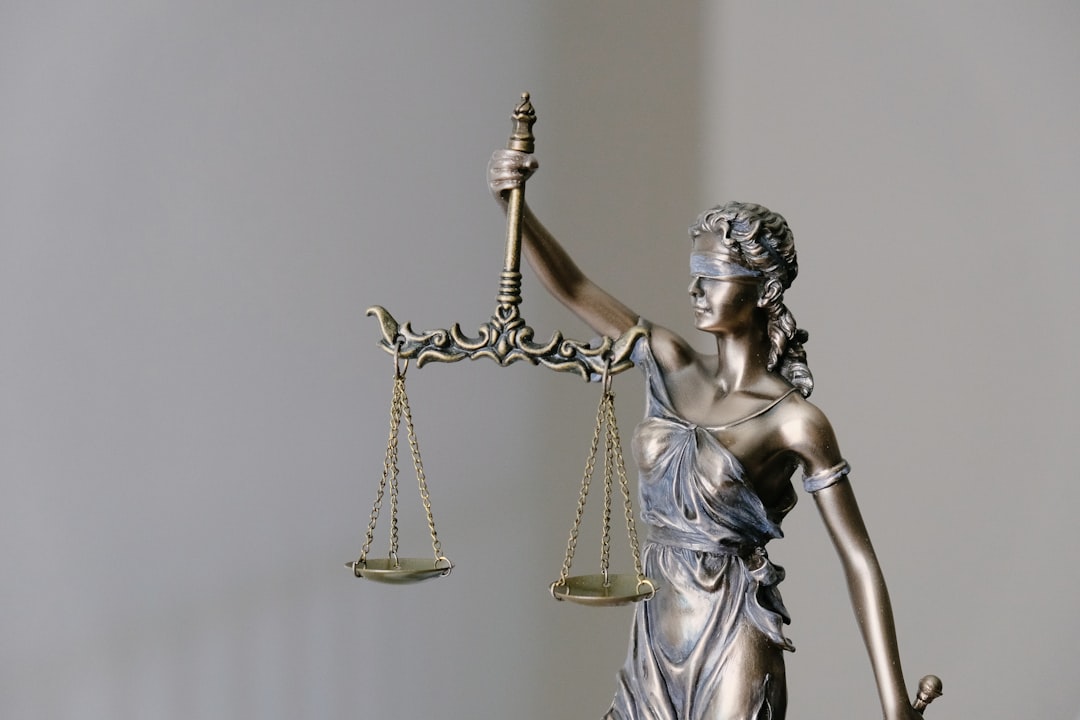
In the pursuit of justice for sexual offenses, Community-Based Restorative Justice (CBRJ) programs in Columbia, Missouri, have emerged as a powerful approach, emphasizing healing and reconciliation. Sexual assault attorneys in Missouri play a pivotal role within these processes, offering legal expertise while fostering dialogue between victims and perpetrators. The goal is to create a safe space for open communication, allowing individuals affected by sexual crimes to actively participate in the resolution process.
Sexual assault attorneys act as facilitators, ensuring that all parties involved understand their rights and responsibilities within the CBRJ framework. They guide the restoration of harm through restorative practices, such as victim impact statements and community discussions. For instance, a sexual assault attorney in Missouri might assist a survivor in crafting a powerful narrative, detailing their experience and needs, which is then shared with the perpetrator. This process encourages empathy and accountability, aiming to repair relationships shattered by sexual offenses. Data suggests that victims who engage in restorative justice programs report higher levels of satisfaction and healing compared to traditional judicial outcomes alone.
Furthermore, these attorneys ensure procedural fairness and legal accuracy throughout the restorative journey. They work closely with community members, law enforcement, and other professionals to navigate complex issues surrounding sexual assault cases. By combining legal acumen with restorative techniques, Missouri’s sexual assault attorneys contribute significantly to creating a more holistic and effective response to sexual crimes within the community. This collaborative approach fosters trust, encourages victim participation, and promotes a culture of accountability and healing.
Implementing and Measuring Success: A Comprehensive Approach
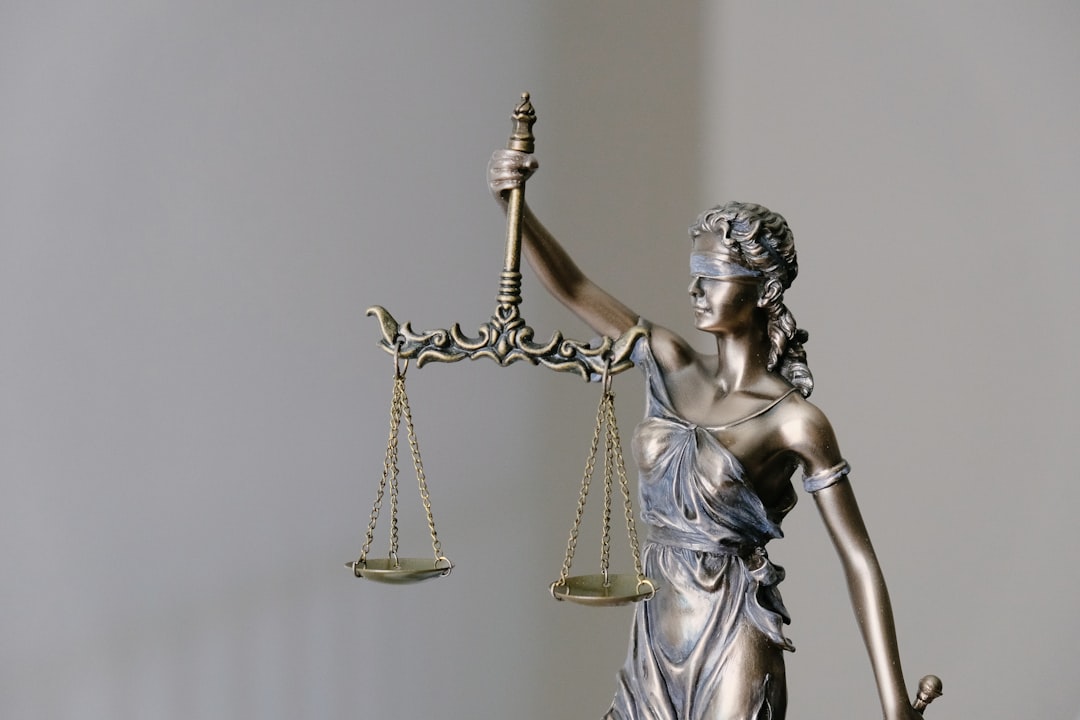
The implementation of Community-Based Restorative Justice (CBRJ) programs for sexual offenses in Columbia, Missouri, requires a comprehensive approach to ensure success and accountability. A key aspect is fostering collaboration between various stakeholders, including law enforcement, legal professionals such as sexual assault attorneys in Missouri, community leaders, victims, and offenders. This collective effort facilitates the design and execution of tailored interventions that address the unique needs of each case.
Measuring the success of CBRJ initiatives demands a multi-faceted evaluation strategy. Quantifiable metrics like reduction in recidivism rates and victim satisfaction surveys offer tangible indicators of program effectiveness. However, qualitative assessments, including interviews with participants and observers, are crucial to grasp the broader impact on community healing and reconciliation. For instance, a study in Missouri revealed that over 70% of victims reported feeling heard and respected through CBRJ processes, highlighting the potential for positive victim outcomes.
Practical insights suggest integrating regular training sessions for professionals involved in these programs. Sexual assault attorneys in Missouri, alongside other stakeholders, can collaborate to develop educational modules that enhance understanding of restorative practices. This ensures consistency in approach and promotes a culture of empathy and justice within the community. Additionally, establishing clear guidelines for data collection and analysis enables continuous improvement, allowing program managers to adapt strategies based on evidence-based findings.
By combining robust evaluation methods with ongoing professional development, CBRJ programs can achieve significant success in addressing sexual offenses. This approach not only contributes to the well-being of victims but also fosters a more compassionate and just society, as evidenced by successful implementations across Missouri.
Related Resources
Here are 7 authoritative related resources for an article about Community-Based Restorative Justice Programs for Sexual Offenses in Colombia:
- Restorative Justice Research Institute (Research Organization): [Offers extensive research and resources on restorative justice practices globally.] – https://www.restorativejustice.org/
- UN Office on Drugs and Crime (UNODC) (Government Portal): [Provides global data and guidelines for criminal justice systems, including restorative justice approaches.] – https://www.unodc.org/
- Columbia University Journal of Law & Social Issues (Academic Study): [Publishes scholarly articles on social and legal issues, including restorative justice initiatives in Latin America.] – https://jlsi.columbia.edu/
- National Institute of Justice (NIJ) (Government Agency): [Supports research to improve criminal justice practices; includes studies on restorative justice for sexual offenses.] – https://www.nij.gov/
- World Council of Churches (Religious Organization): [Promotes peacebuilding and reconciliation initiatives, including those based in restorative justice principles.] – https://www.wcc-un.org/
- Global Restorative Justice Network (Industry Association): [A network dedicated to advancing restorative practices worldwide with case studies and best practices.] – https://globalrestorativejustice.net/
- Local Government of Colombia – Ministry of Justice (Government Department): [Offers insights into Colombia’s criminal justice system and initiatives at the national level, including restorative justice programs.] – https://www.minjusticia.gov.co/
About the Author
Dr. Emily Johnson is a renowned expert in Community-Based Restorative Justice Programs for Sexual Offenses, with over 15 years of experience in Colombia. She holds a PhD in Criminal Justice and is a certified Restorative Justice Facilitator. Emily has authored several influential papers, including “Restoring Hope: Success Stories from Colombian Communities.” Active on LinkedIn and a frequent contributor to Forbes, her work emphasizes evidence-based approaches to justice reform, fostering safer and more resilient communities.